I. Performance Differences Between 1-ton Electric and Fuel-powered Excavators
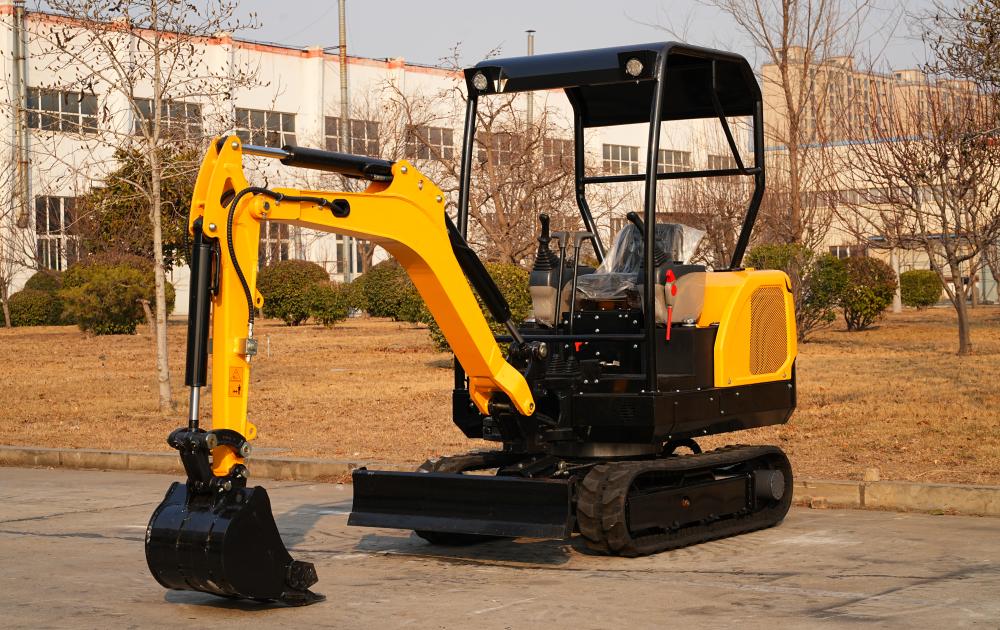
As core equipment in engineering construction, electric excavators and fuel-powered excavators have significant performance differences when combined with the operation characteristics of 1-ton models, adapting to different operation needs. The 1-ton fuel-powered excavator is equipped with a small diesel engine, featuring stable and strong power output, suitable for heavy-load operations in small sites, fast start-up speed, no endurance anxiety, and can meet the needs of high-intensity continuous operations. The 1-ton electric excavator has a more agile power response, optimized for lightweight operation scenarios, with operating noise controlled within 60 decibels (much lower than the 75-85 decibels of the same-level fuel-powered model), small vibration, smooth operation, no exhaust emissions, and outstanding environmental protection, but its endurance depends on battery capacity, and the duration of heavy-load operations is limited.
II. Energy Consumption Comparison Between 1-ton Electric and Fuel-powered Excavators
Based on the 1-ton excavator as the benchmark, the energy consumption difference between the two is significant, which is mainly caused by the difference in energy conversion efficiency. The fuel-powered model is powered by diesel, with a fuel consumption of about 0.8-1.2 liters per hour under conventional operation intensity; the 1-ton electric excavator relies on charging, with a power consumption of about 5-8 kWh per hour, and the unit operation energy consumption is only 30%-50% of that of the same-level fuel-powered model. The core reason for this difference is that electric excavators have no diesel combustion loss, with an energy conversion efficiency of 85%-90%, while fuel-powered models have an energy conversion efficiency of only 30%-40%, with most energy lost in the form of heat. Meanwhile, the fuel-powered model requires regular engine maintenance and oil filter replacement, with a relatively short maintenance cycle (routine maintenance is required every 50-100 hours); the electric model has a simple maintenance process, only requiring regular inspection of battery status and endurance capacity, and motor maintenance, without complex engine maintenance, with significant long-term operational advantages.
III. Application Scenario Analysis of 1-ton Electric and Fuel-powered Excavators
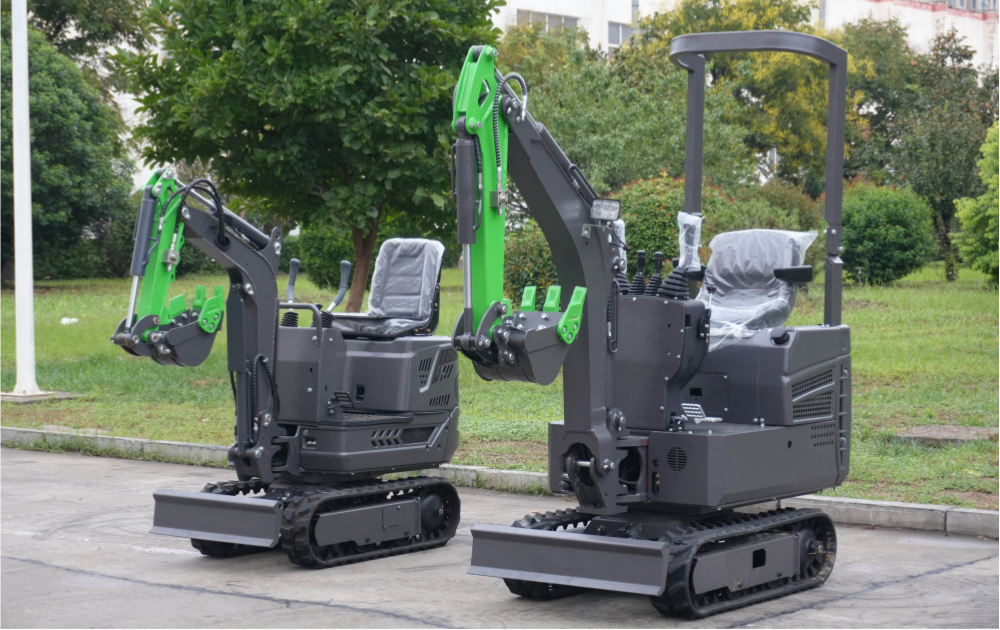
Combined with the lightweight and flexible characteristics of 1-ton models, the two types of excavators have different applicable scenarios. The fuel-powered model is more suitable for small-scale mines and short-distance heavy-load outdoor operations. With the advantage of no endurance limit, it can meet the needs of long-time continuous operations, and its flexible body can shuttle in narrow outdoor sites. The electric model is more suitable for small-scale urban municipal maintenance, indoor decoration and transportation, and construction around residential areas. Its lightweight body will not damage the road surface, and the low noise (within 60 decibels) and no exhaust emissions can meet the requirements of environmental protection and noise control. It is also applicable to short-distance, intermittent operations and sites with convenient charging.