The hydraulic system serves as the power lifeline of an excavator, using hydraulic oil as the transmission medium to convert the mechanical energy output by the engine into high-pressure hydraulic energy. This energy is then accurately distributed to actuators such as hydraulic cylinders and travel motors via control components, completing a full set of heavy-duty operations including boom lifting, bucket digging, slewing and traveling. Among them, the main pump and multi-way valve are the two core components of the hydraulic system, which directly determine the machine’s operating efficiency, movement smoothness and load capacity. They are also the key targets of daily troubleshooting, and most hydraulic system faults can be resolved by focusing on these two components.
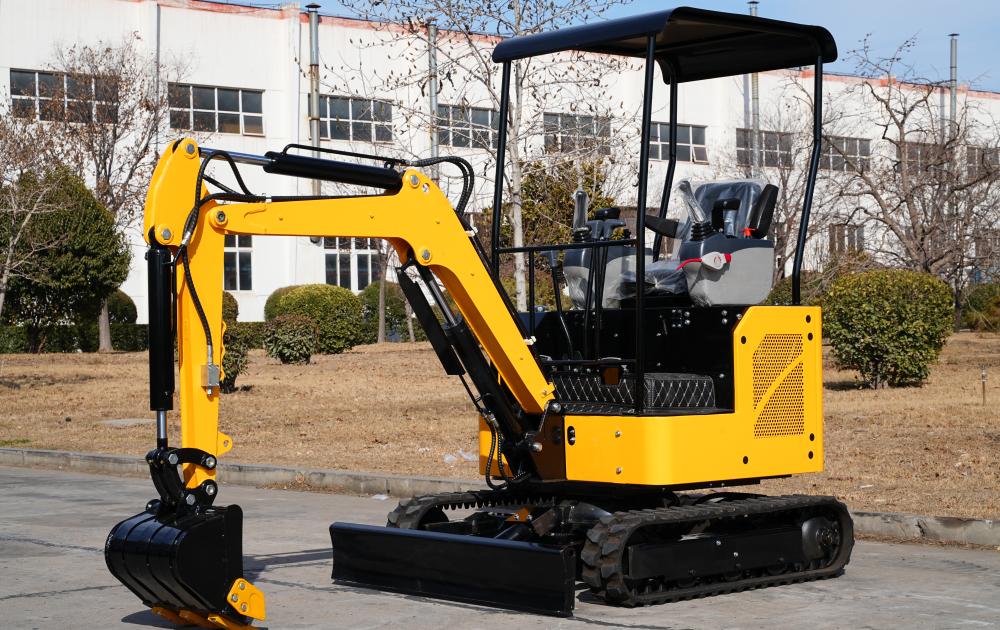
As the power source of the system, the main pump mostly adopts a swash-plate axial variable displacement piston pump. Its core function is to complete energy conversion, and automatically adjust the flow according to the load size, increasing speed under light load and enhancing force under heavy load, balancing operating efficiency and digging power. Main pump faults are mostly universal problems, commonly presenting as slow and weak overall movement, abnormal noise and overheating. The root causes are usually oil suction pipe leakage, internal piston pair wear, regulator jamming or excessive internal leakage. Troubleshooting follows the principle from easy to difficult: first check the hydraulic oil level, quality and filter, then test the system pressure to judge internal leakage.
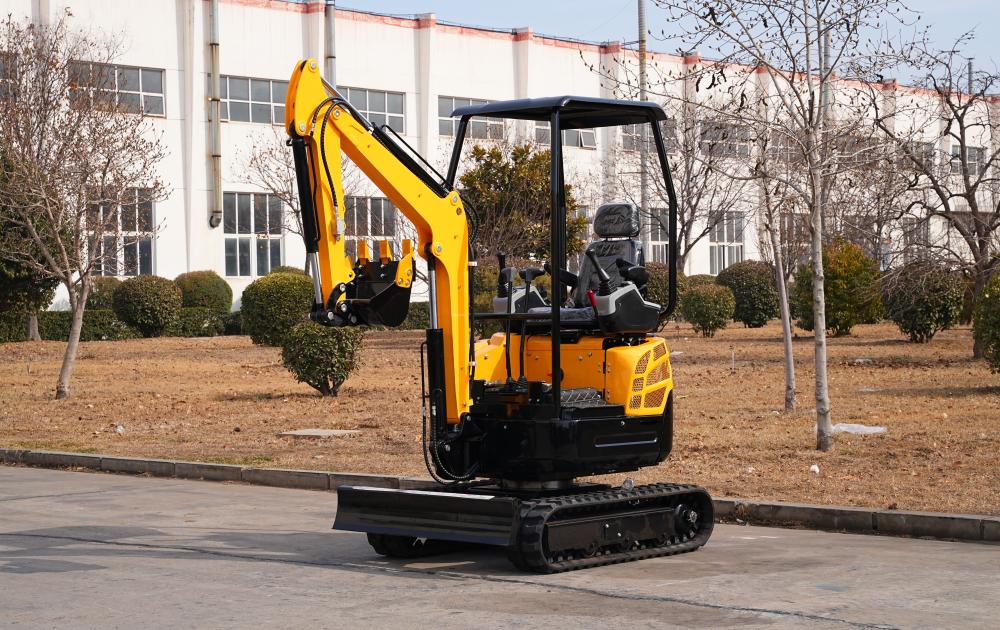
The multi-way valve is the control center of the system, integrating various valves such as reversing, overflow, locking and regeneration. It is responsible for accurately regulating the direction, flow and pressure of hydraulic oil to ensure precise single movement and coordinated composite movements. Multi-way valve faults are mostly local problems, commonly including stuck single action, automatic boom sinking, travel drifting and uncoordinated composite movements, mostly caused by spool jamming, locking valve seal failure or excessive valve internal leakage. Focus on cleaning the spool and testing the locking valve performance to quickly locate and fix faults. Regularly replacing qualified hydraulic oil and special filters, and checking pipeline seals can effectively reduce the failure rate of core components and extend the service life of the whole machine.